 Polski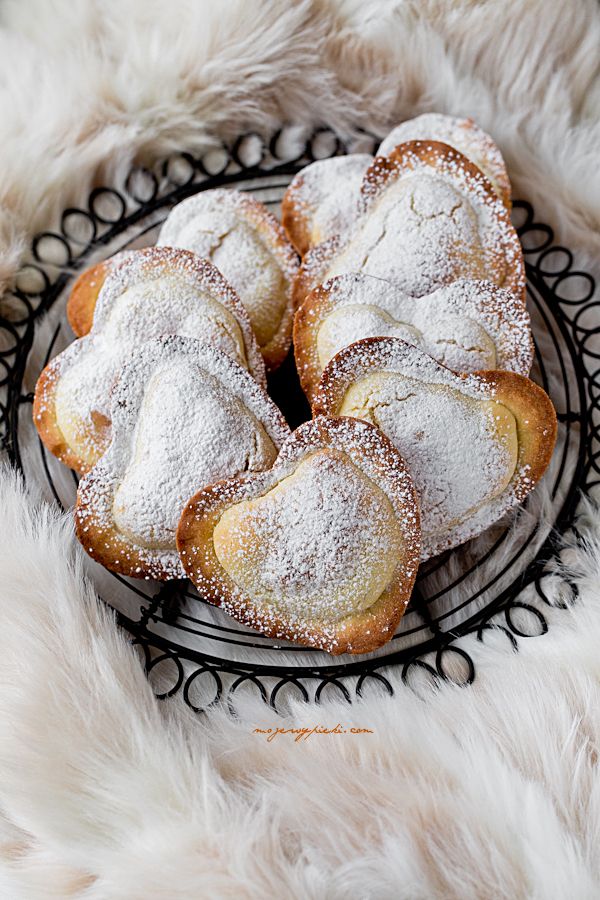
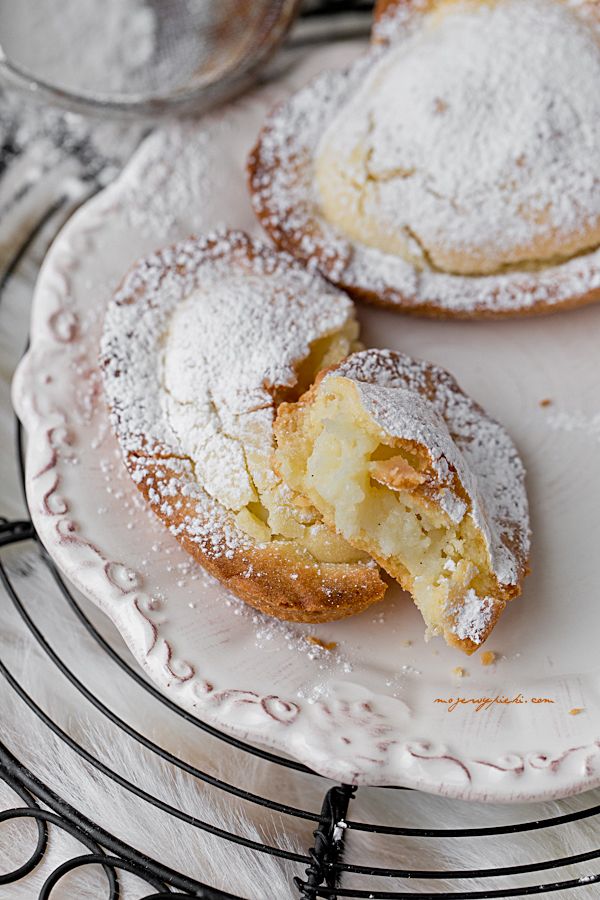
Vaniljhjärtan literally means “vanilla hearts”. These very popular Swedish pastries are delicious vanilla custard encased in delicate shortcrust pastry shaped like hearts. You will need heart-shaped moulds to make them; I have to admit that I have a bit of a habit of buying baking moulds that I #neverknowwhentheywillcomeinhandy, and after sitting in the cupboard for several years, this one has finally found its purpose (I think I originally bought it for gingerbread cookies). These pastries are also popular in Denmark, where you may come across them under the name “linser” – small custard tarts baked in round moulds. The combination of crisp pastry and creamy custard is absolutely irresistible, and it’s impossible to stop at just one!
P.S. I’ve given you two different custard recipes. In my opinion, recipe no. 2 is even better, as the custard is less floury. Try them both and decide for yourself!
If you don’t have similar heart-shaped moulds, use ordinary moulds for small shortcrust pastry tarts.
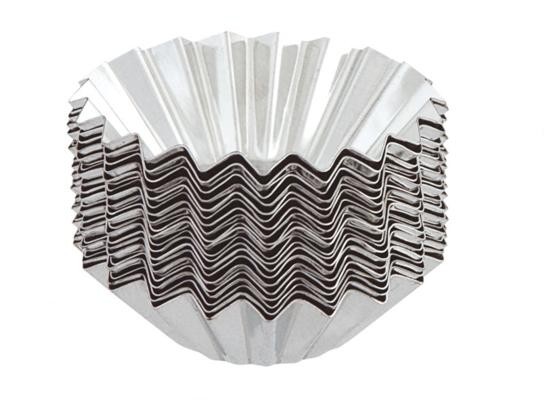
photo: epiekarnia.com
Makes 15.
Ingredients for the shortcrust pastry:
- 200 g butter, cold and cut into cubes
- 80 g icing sugar
- a pinch of salt
- 1 egg yolk, from a large egg
- 270 g plain flour
- 40 g potato starch
Sift the plain flour and potato starch, add the butter and quickly chop together with a knife until the mixture resembles crumble topping. Add the sugar, salt and egg yolk and quickly knead together (you can also mix the ingredients in a food processor). Shape the dough into a ball, wrap in cling film and chill in the fridge for about 60 minutes.
Ingredients for the vanilla custard (recipe no. 1):
- 500 ml milk
- ⅔ cup plain flour
- 2 large eggs
- 160 g sugar
- 2 tsp vanilla bean paste or vanilla extract, or seeds from 1 vanilla pod, or 16 g vanilla sugar
Place 250 ml of the milk and the sugar in a saucepan and bring to the boil. Blend the remaining 250 ml of milk thoroughly with the eggs, flour and vanilla. Pour the blended mixture into the boiling milk, stirring vigorously, and cook until you have a very thick custard. Continue cooking for 2 minutes, until it is visibly bubbling, then remove from the heat and transfer to a bowl. Cover with cling film, pressing it directly onto the surface of the custard, and leave to cool.
Note: This recipe makes slightly more custard than you will need, but if you bake the pastries in traditional small tartlet moulds, you will use more of it.
You can also try the other custard recipe below, which contains less flour:
Ingredients for the vanilla custard (recipe no. 2):
- 200 ml milk
- 50 ml double cream
- 1 tsp vanilla bean paste or vanilla extract, or seeds from half a vanilla pod, or 8 g vanilla sugar
- 3 egg yolks, from large eggs
- 60 g sugar
- 15 g potato starch
- 10 g butter
In a small saucepan, bring the milk and double cream with the vanilla to the boil. As soon as it comes to the boil, remove from the heat.
Place the egg yolks and sugar in the bowl of a stand mixer and whisk until pale (using the whisk attachment). Add the potato starch and continue mixing until you have a smooth paste. Add 100 ml of the hot milk to the paste and mix until combined.
Pour the tempered egg mixture into the remaining hot milk and mix well until combined. Return to the hob over a medium heat and bring to the boil, stirring frequently with a hand whisk. Once it comes to the boil, cook for about 1 minute, stirring, until the custard thickens. Remove from the heat. Add the butter and whisk it into the hot custard. Cover the finished custard with cling film, pressing it directly onto the surface, and leave to cool (do not stir while it is cooling!). The finished custard can be stored in the fridge for up to 3 days.
This amount of custard may be slightly insufficient for 15 hearts, so it is best to make 1½ times the recipe straight away.
Method:
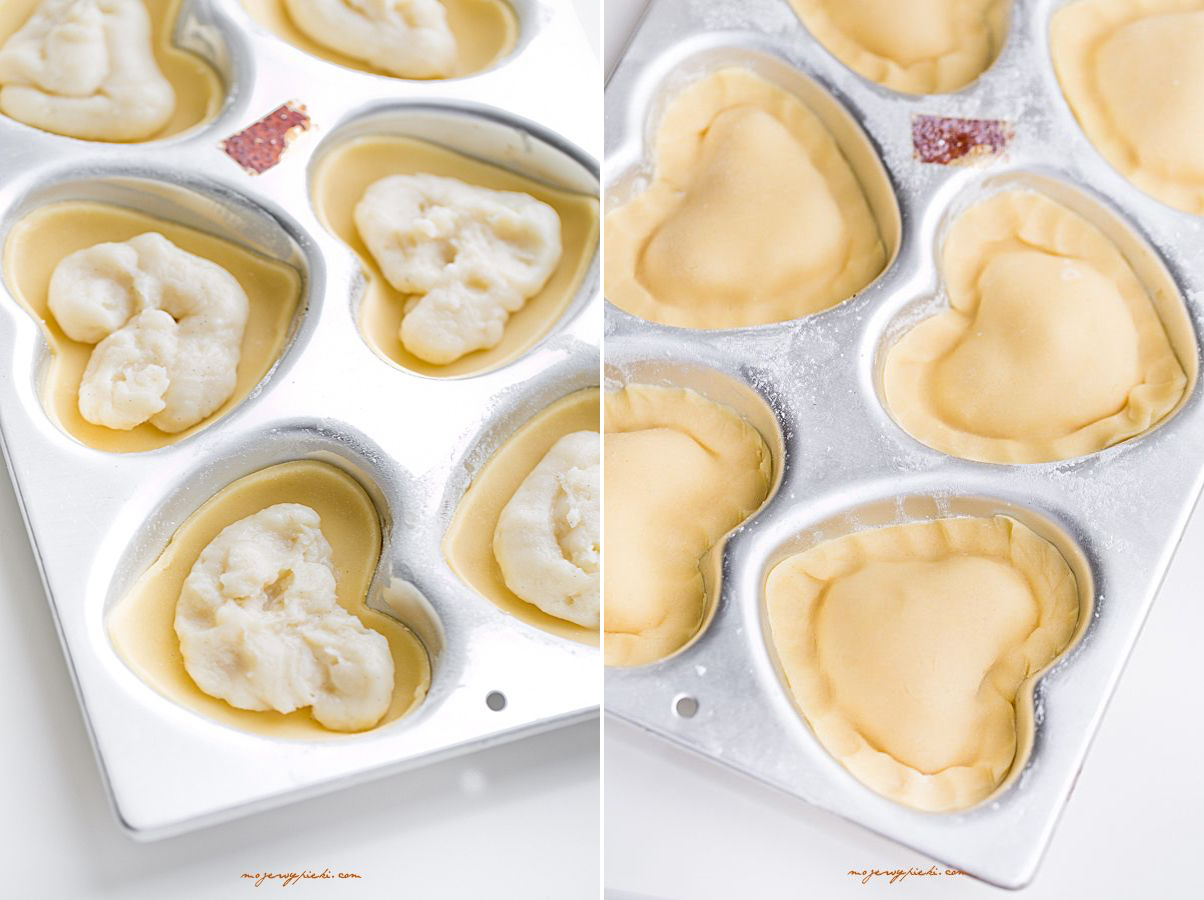
Remove the chilled pastry from the fridge and roll it out on a lightly floured work surface to a thickness of 2–3 mm. Cut out hearts using a cookie cutter and use them to line the heart-shaped moulds. Transfer the custard to a piping bag and pipe the filling into the centre of each pastry heart. Cover the custard with additional hearts cut from the shortcrust pastry, carefully sealing the edges so that the custard does not leak out during baking. Gently prick the pastry in several places with a wooden skewer to prevent it from puffing up during baking.
Bake at 200°C for 13–15 minutes, or until the pastries are golden brown. Leave to cool on a wire rack. Note: they are very delicate while warm!
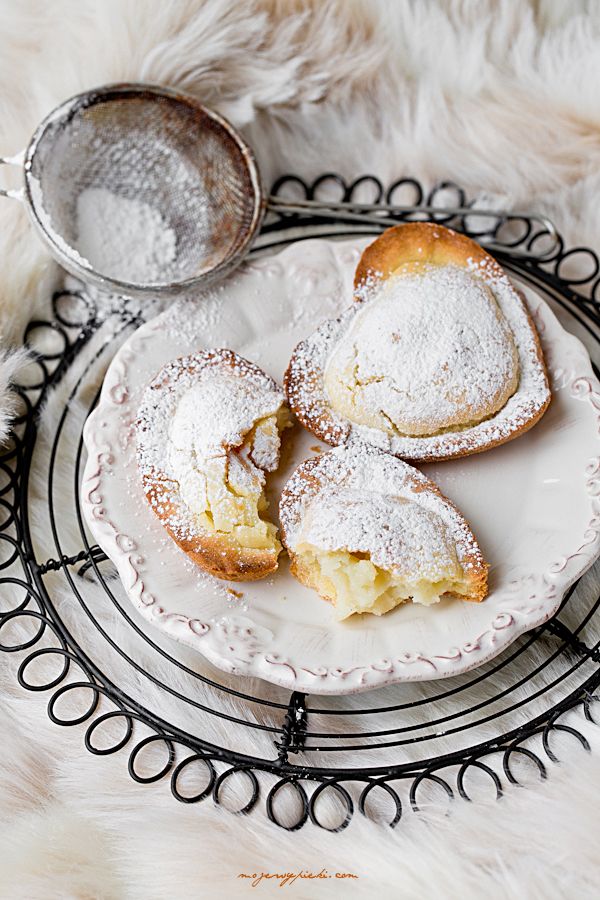
Serve the vanilla hearts dusted with icing sugar.
Enjoy!
I read all comments, but unfortunately I can't answer them all. Before posting a question, make sure nobody has asked a similar one (this will be facilitated by the search engine included in the comments). Comments with links may not be published.
Blog author